


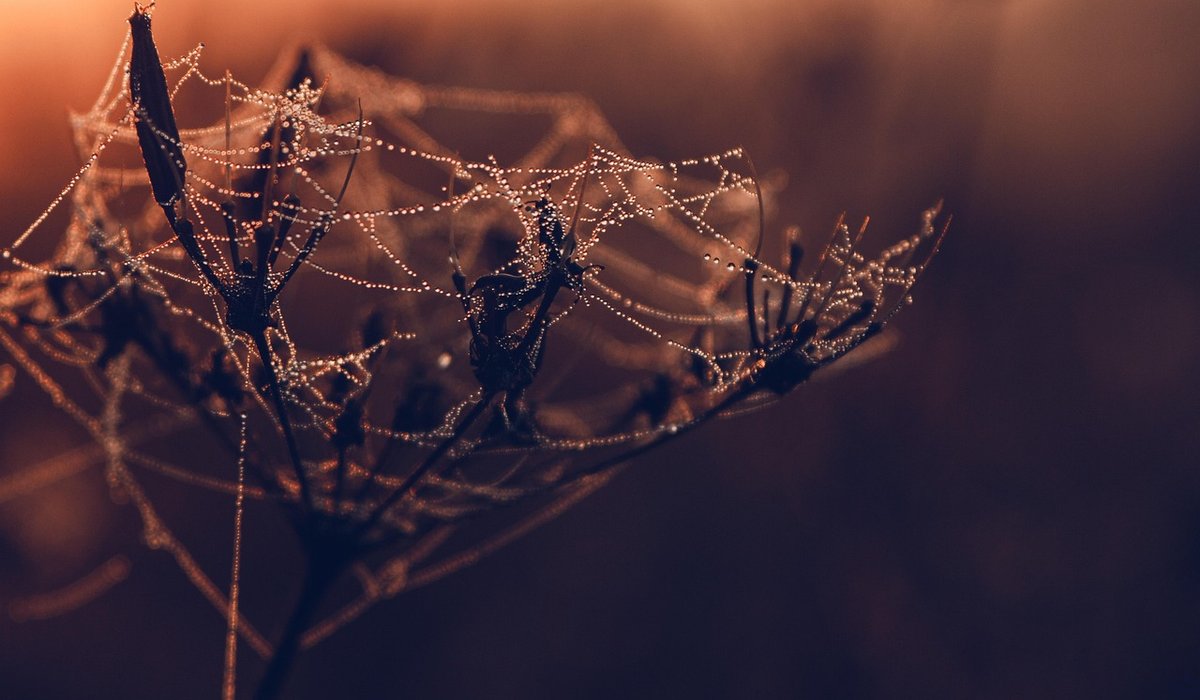
There is a particular kind of satisfaction in glancing at a jug of seed heads on a dark January morning and remembering the garden at its peak. Dried flowers have shaken off their dusty, faded reputation in recent years, and for good reason: they last for months rather than days, need no water, and cost nothing if you have a garden, an allotment, or even a generous neighbour with a hydrangea. In small British homes, where surfaces are limited and windowsills are precious, a tight arrangement of dried stems delivers far more impact per square inch than a big blousy bouquet that will be dropping petals by Tuesday.
What to Dry, and When to Cut It
The single biggest factor in success is timing. Cut too early and stems shrivel; cut too late and everything shatters the moment you touch it. Aim for a dry, still morning once the dew has lifted, and take stems mid-morning rather than in the heat of the afternoon.
Reliable candidates for the beginner include:
- Hydrangeas — mopheads and lacecaps, cut in late August and September when the flowers feel papery and the colour has begun to mute
- Grasses — pheasant grass, stipa, and the fluffy seed heads of Yorkshire fog
- Seed heads — allium, nigella, poppy, teasel, eryngium, honesty
- Everlasting flowers — strawflower, statice, achillea, lavender, rudbeckia
Skip anything with mildew, brown patches or a soggy stem. Drying does not improve damaged plant material; it simply preserves the damage.
The Upside-Down Method, Step by Step
Hanging is still the most reliable technique for most stems. Strip the lower leaves — they hold moisture and slow everything down — then gather five to eight stems into a loose bunch. Secure them with a rubber band rather than string, because stems shrink as they dry and a rubber band tightens with them. String will simply let the bundle slip to the floor.
Hang the bunches somewhere dark, dry and airy. A garage, loft, spare room or shed is ideal. Avoid the kitchen, where steam undoes your work, and avoid a bright conservatory, where sunlight will bleach the colours to a uniform beige. Leave them for two to four weeks, then test a stem by bending it near the flower head. If it snaps cleanly, it is ready. If it bends like a shoelace, give it another week.
For thick-petalled flowers that tend to go brown rather than crisp — think roses, dahlias and some hydrangeas — silica gel gives a much better result. Bury the heads in the gel in an airtight tub, leave for three to five days, and lift them out with a soft brush.
Hydrangeas Deserve Special Treatment
Hydrangeas dry beautifully, but they are the one flower worth treating differently. Rather than hanging them straight away, stand the cut stems in two or three centimetres of water in a cool room and simply let the water evaporate. As the level drops, the heads gradually dry in their natural upright position, holding their shape far better than a hung head, which tends to flop into a ball. This takes a fortnight or so. Keep the stems long at this stage; you can always trim them later.
If a head does droop, do not despair. A light mist of water and a night in a cool room will sometimes bring it back enough to arrange.
Arranging for Texture in Small Spaces
The temptation with dried material is to overfill a vase, and the result is usually a brownish blob. Instead, work with restraint: three textures and one colour family. A palette of rust, oatmeal, sage and deep burgundy sits comfortably in most British interiors, and it changes with the seasons if you swap a few stems.
Small containers suit dried flowers far better than big ones. A single stem of allium in an old inkwell, three grass heads in a milk bottle, or a jam jar wrapped with twine on a kitchen shelf can look quietly lovely. Because dried stems are top-heavy, keep them short and anchor them by half-filling the vase with dried rice, lentils or scrunched chicken wire before you arrange. Odd numbers always look more natural than even ones.
Place displays away from radiators, direct sun and steamy bathrooms — damp is the enemy here. A hall shelf, a bedside table or a mantelpiece all work well.
Keeping Displays Looking Fresh
Dust is what ages a dried arrangement fastest. Once a month, take it outside and use a hairdryer on the coolest, lowest setting, held at arm's length, or dust gently with a soft paintbrush. Grasses and seed heads that shed can be given a light mist of unscented hairspray from about thirty centimetres away, which holds the seed in place without turning anything sticky.
When a stem finally fades, pull it out and compost it rather than leaving it in the arrangement to drag the whole thing down. Hydrangea heads can be given a second life in a Christmas wreath, and dried lavender can be crumbled into drawer sachets. Nothing here needs to be thrown away in a hurry — which is, in the end, the whole appeal.


Leave a reply