


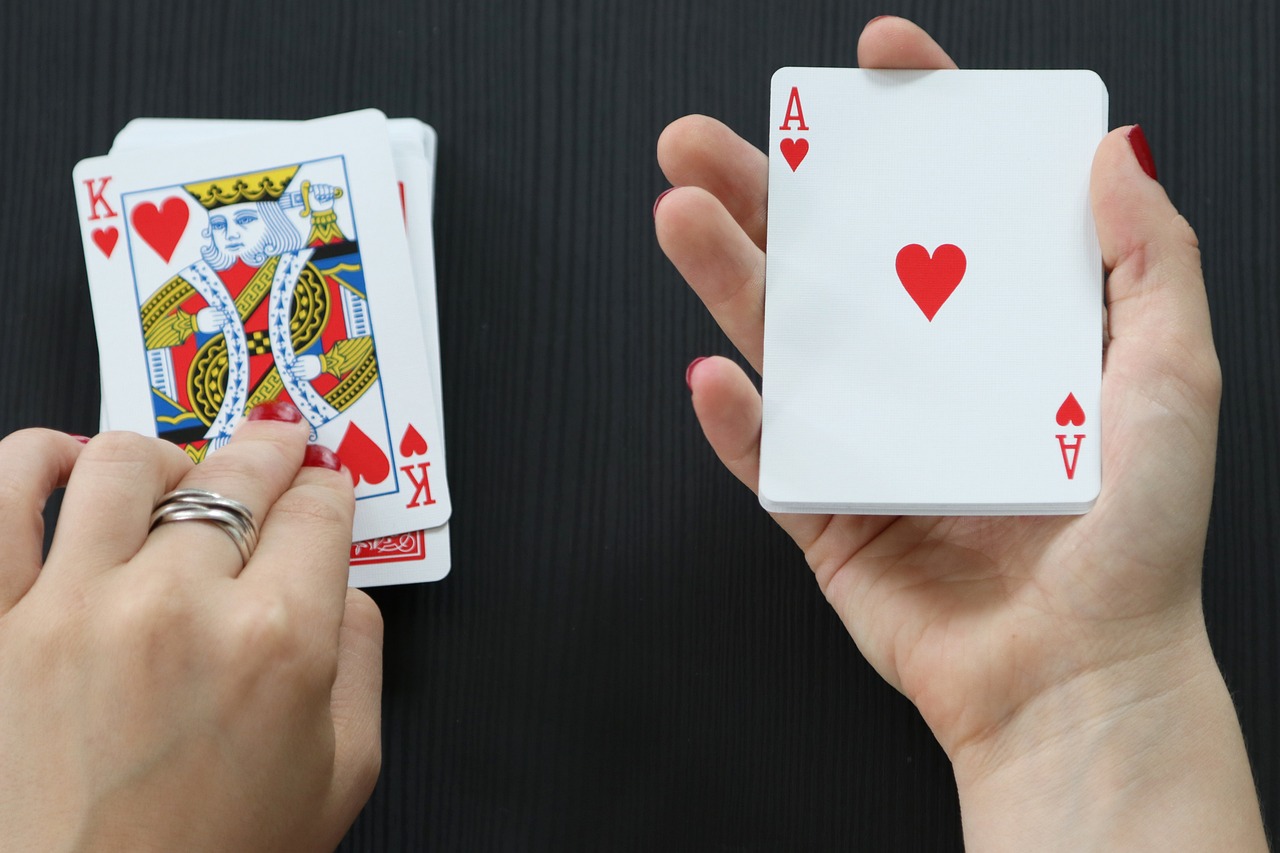
There is a specific moment that every gambler recognizes. The reels slow down, the last card peels off the deck, or the ball drops onto black. In that split second, everything narrows to a single outcome. That is the real product of iGaming — not the graphics, not the bonus terms, but the compressed drama of uncertainty resolving itself in real time.
If you have spent any amount of time in slot lobbies, poker rooms, or sportsbook interfaces, you have felt it. The question is whether you understand what you are actually playing, and how the modern iGaming industry shapes that experience. This article breaks down the machinery behind slots, poker, and betting so you can navigate it with clearer eyes.
Slots: The Mathematics of Illusion
Slots are the most misunderstood product in iGaming. Players often talk about a machine being "hot" or "due," but modern video slots are not physical machines with finite coin hoppers. They are random number generators (RNGs) that produce thousands of outcomes per second, whether or not anyone is spinning. The RTP (return to player) is baked in — usually between 94% and 97% for online slots, compared to roughly 85% to 92% for many land-based machines.
What actually varies is volatility. A high-volatility slot like Money Train or San Quentin might pay 96.5% RTP, but the distribution is brutal: long dry spells followed by rare, massive hits. Low-volatility slots pay smaller amounts more often. Neither is "better" — they suit different bankrolls and temperaments.
- RTP vs. hit frequency: A slot can have high RTP and low hit frequency. Do not confuse the two.
- Max win caps: Many modern slots cap wins at 5,000x to 50,000x your stake, regardless of what the reels show.
- Bonus buy features: These let you pay 50x to 200x your stake to trigger free spins immediately — convenient, but the RTP on the buy is sometimes lower than base game play.
One practical tip: check the game's help screen before spinning. Providers legally must display RTP and rules, and the difference between a 94% and 96.5% slot is enormous over thousands of spins.
Poker: The Game Where You Play the Player
Poker is the odd one out in iGaming because it is not you against the house. It is you against other people, with the operator taking a rake. That single fact changes everything. There is no RTP to complain about, because your edge comes from decision-making, psychology, and table selection.
Online poker has evolved dramatically. In the mid-2000s, a tight-aggressive player could grind low-stakes tables profitably with basic preflop charts. Today, solvers like PioSolver and GTO+ have pushed strategy to a level where raw intuition is not enough. Even micro-stakes players use tracking software and study ranges.
Three skills that still separate winners
- Bankroll management: Never buy into a cash game for more than 5% of your dedicated poker bankroll. For tournaments, keep it under 2% per buy-in.
- Position awareness: The button is the most profitable seat. Play more hands there and tighten up in early position.
- Opponent profiling: Tag players as nit, fish, or maniac within the first ten hands. Adjust your bet sizing accordingly.
The rake is the silent killer. At low stakes, a 5% rake capped at $3 can eat 10 to 15 big blinds per hundred hands. That is why table selection matters more than any fancy play.
Sports Betting: Where Information Is the Edge
Sports betting looks simple — pick a winner — but the modern betting market is ruthlessly efficient. Major leagues like the NBA and English Premier League have closing lines that are accurate to within 1–2%. Beating them consistently requires either superior information, superior modeling, or exploiting soft lines before they move.
The most common mistake is betting on favorites because they "should win." A -300 moneyline favorite in the NFL wins about 70% of the time, but you need to win 75% just to break even. That gap is the bookmaker's margin, and it is why casual bettors bleed money over a season.
- Line shopping: The difference between -110 and -105 on a thousand bets is thousands of dollars. Always compare odds across at least three books.
- Closing line value (CLV): If you consistently beat the closing line, you are a long-term winner, even during losing streaks.
- Prop bets and niche markets: Less efficient, softer lines. But also lower limits and faster to be restricted.
Live betting deserves its own warning. The speed is intoxicating, and the odds adjust in real time. Unless you have a model or a reliable edge, live betting is where discipline goes to die. You can read more about it on สล็อต.
Bonuses, Wagering, and the Fine Print
Every iGaming site advertises a welcome bonus. Few players read the terms, and that is exactly what operators count on. A 100% match up to $500 sounds generous until you see a 40x wagering requirement on both deposit and bonus, with slots contributing only 50% toward clearance.
Do the math. A $500 bonus with 40x wagering and 50% slot contribution requires $40,000 in spins. At a 96% RTP slot, the expected loss is $1,600. You are not getting free money — you are getting a temporary loan with a high probability of loss.
That does not mean all bonuses are bad. Low-wagering (10x or less) reload offers, cashback on net losses, and poker rakeback are genuinely valuable. The rule is simple: if you cannot explain the wagering requirement in one sentence, skip the bonus.
Responsible Play in a Hyper-Optimized Environment
iGaming platforms are engineered to keep you playing. Variable reward schedules, near-miss animations, autoplay features, and one-click deposits all reduce friction. None of this is accidental.
Set hard limits before you log in — not after. Deposit limits, session timers, and loss limits are tools provided by regulators in most licensed markets. Use them. The most successful gamblers, ironically, are the ones who treat it as entertainment with a fixed cost, not as an income strategy.
The house edge is not a moral failing. It is arithmetic. Slots, poker, and betting each offer different risk profiles and different forms of engagement. Slots are pure chance with a known cost per spin. Poker is a skill game with a rake. Betting is a market you can occasionally beat if you are disciplined and informed.
Understanding which one you are playing — and why — is the real edge. Everything else is noise.


Leave a reply